
The Challenges of Moving High-Value Goods Between Nigeria and International Destinations
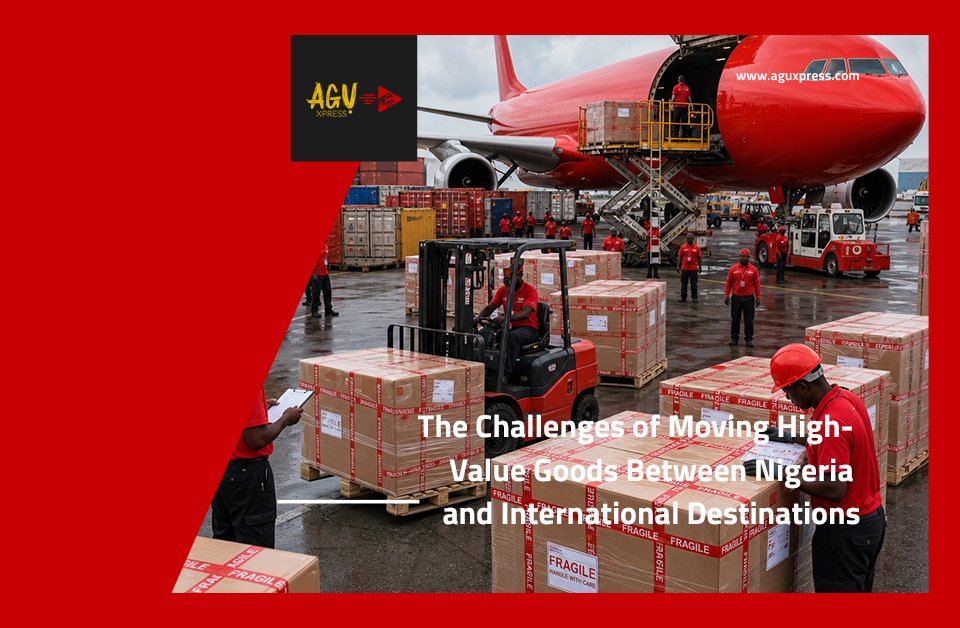
Moving high-value goods internationally should be straightforward. Yet for many individuals and businesses in Nigeria, the process often comes with anxiety, uncertainty, and significant risk.
A delayed shipment can disrupt operations. A damaged package can lead to financial loss. Poor communication during transit can leave customers frustrated and businesses struggling to maintain trust. Whether it is electronics, luxury items, business inventory, important documents, medical equipment, or expensive personal belongings, transporting valuable goods between Nigeria and international destinations requires far more than simply handing over a package for delivery.
The good news is that these challenges can be managed successfully with the right logistics strategy, proper shipping protection, and a reliable logistics partner.
As international trade and cross-border shopping continue to grow, more Nigerians are buying products from overseas and sending valuable items abroad. Businesses are also increasingly relying on international shipping from Nigeria to access global suppliers and customers. However, moving high-value goods safely requires understanding the common logistics challenges involved and knowing how to reduce the risks associated with them.
In this article, we will explore the biggest challenges involved in transporting valuable goods internationally and how individuals and businesses can protect themselves through smarter shipping decisions, insured shipping, and dependable logistics services in Nigeria.
Why High-Value Goods Require Extra Attention
Not every shipment carries the same level of risk.
High-value goods naturally attract more concern because the financial consequences of damage, theft, delays, or loss are much greater. A simple delivery issue that may be manageable for low-cost items can become extremely costly when expensive products are involved.
For businesses, delayed or damaged shipments can affect customer relationships, operations, and revenue. For individuals, losing a valuable package can be emotionally and financially stressful.
This is why high-value shipments require:
- Better packaging
- Stronger tracking systems
- Reliable dispatch and delivery services in Nigeria
- Insurance protection
- Experienced logistics handling
- Transparent communication throughout transit
Without these safeguards, the risks become significantly higher.
Common Challenges of Moving High-Value Goods Internationally
1. Risk of Damage During Transit
One of the most common logistics challenges in Nigeria and international shipping is damage during handling and transportation.
High-value items often pass through multiple stages:
- Pickup
- Warehousing
- Customs processing
- Air or sea freight movement
- Final delivery
Every stage introduces handling risks.
Fragile electronics, luxury products, sensitive equipment, and specialty goods can easily become damaged if packaging standards are poor or if the shipment is handled carelessly.
In many cases, customers only realize the extent of the damage after delivery has already been completed.
This is why professional packaging and insured shipping are critical when moving valuable goods internationally.
2. Theft and Security Concerns
Security remains a major concern in global logistics operations.
High-value shipments are naturally more attractive targets for theft, especially when shipping routes, handling procedures, or storage systems lack proper security measures.
Unfortunately, some customers also experience:
- Missing package contents
- Shipment tampering
- Unauthorized handling
- Delivery fraud
This is particularly concerning for businesses handling expensive inventory or customers shipping luxury items internationally.
Reliable logistics providers reduce these risks through:
- Verified handling procedures
- Tracking systems
- Professional dispatch operations
- Shipment monitoring
- Secure storage and movement processes
For added protection, package insurance for deliveries becomes extremely important.
3. Customs Delays and Clearance Issues
One major challenge many people underestimate is customs clearance.
International shipping involves regulatory procedures that can delay shipments unexpectedly if documentation is incomplete or inaccurate.
Common customs-related problems include:
- Incorrect shipment declarations
- Incomplete paperwork
- Restricted item complications
- Duty and tax disputes
- Delayed inspections
For businesses relying on fast inventory restocking, these delays can disrupt operations and customer fulfillment timelines.
Understanding how logistics works in Nigeria and internationally becomes important here, especially for businesses handling regular cross-border shipments.
An experienced logistics partner can help reduce clearance issues by guiding customers properly on shipping requirements and documentation processes.
4. Poor Visibility and Tracking
One of the biggest frustrations customers experience during international shipping is uncertainty.
Many people ship valuable items only to spend days wondering:
- Where is the package?
- Has it left customs?
- Is it delayed?
- Has it arrived safely?
Poor tracking systems and limited communication create unnecessary stress.
This is why real-time tracking and transparent communication are becoming essential parts of modern logistics services in Nigeria.
Customers now expect:
- Accurate shipment updates
- Faster response times
- Delivery notifications
- Better visibility throughout transit
Reliable logistics companies understand that communication is just as important as movement.
5. High Shipping Costs
Moving high-value goods internationally can be expensive.
Several factors affect shipping costs, including:
- Weight and dimensions
- Shipping speed
- Delivery destination
- Freight type
- Insurance coverage
- Customs duties and taxes
Businesses often struggle to balance cost efficiency with delivery reliability.
For example:
- Air freight offers faster delivery but costs more
- Sea freight is more affordable but slower
Choosing the wrong shipping option can either increase operational expenses unnecessarily or create delays that affect customers.
This is why businesses need logistics providers that can help recommend the most practical shipping method based on urgency, cost, and cargo type.
6. Inconsistent Delivery Experiences
Many customers searching for “courier service near me” or “delivery in Nigeria” are often looking for one thing: consistency.
Unfortunately, inconsistent logistics experiences remain a major problem in the industry.
Customers may experience:
- Smooth delivery one time
- Delays the next time
- Different communication standards
- Unpredictable handling quality
For businesses, this inconsistency affects customer trust and brand reputation.
Reliable logistics is not just about speed. It is about creating predictable, repeatable delivery experiences customers can depend on.
Why Insured Shipping Matters for High-Value Goods
One of the smartest decisions businesses and individuals can make when shipping valuable items is using insured shipping.
Insurance protection helps reduce financial losses if unexpected issues occur during transit.
This becomes especially important for:
- Luxury products
- Electronics
- Business inventory
- High-value personal belongings
- Sensitive equipment
- International purchases
Without package insurance for deliveries, customers often bear the full financial burden if damage or loss occurs.
Insurance adds an extra layer of protection and peace of mind that becomes increasingly valuable as shipment value increases.
How Businesses Benefit from Reliable International Logistics
For businesses involved in e-commerce logistics in Nigeria, dependable international shipping plays a major role in growth and customer satisfaction.
Reliable logistics helps businesses:
- Maintain delivery timelines
- Improve customer trust
- Reduce operational stress
- Protect valuable inventory
- Expand internationally with confidence
As online shopping continues to grow, businesses need logistics systems that can support faster and more secure movement of goods across borders.
A poor delivery experience does not only affect one shipment — it can affect customer retention, online reviews, and long-term brand perception.
This is why many businesses now prioritize stress-free dispatch and professional delivery partnerships.
Tips for Shipping High-Value Goods Safely
1. Use Strong Protective Packaging
Invest in quality packaging materials that reduce the risk of physical damage during transit.
2. Choose Reliable Logistics Providers
Work with companies that prioritize communication, tracking, professionalism, and shipment handling standards.
3. Always Consider Shipping Insurance
Insurance is one of the most effective ways to reduce risk when transporting expensive items.
4. Understand Customs Requirements
Proper documentation helps avoid unnecessary delays and clearance complications.
5. Use Real-Time Tracking
Visibility helps reduce uncertainty and allows customers to monitor shipments confidently.
6. Match Shipping Method to Shipment Needs
Choose between air freight and sea freight based on urgency, shipment value, and budget.
The Future of International Shipping for Nigerian Consumers and Businesses
Cross-border trade continues to expand rapidly.
More Nigerian consumers are shopping internationally, and more businesses are serving customers beyond local markets. This growth increases demand for:
- Faster delivery systems
- Better tracking technology
- Safer international logistics
- More transparent shipping processes
- Professional dispatch and delivery services in Nigeria
As the logistics industry evolves, businesses that prioritize reliability, communication, and customer experience will stand out.
Customers are no longer looking for delivery alone — they want confidence, visibility, and peace of mind throughout the shipping process.
Final Thoughts
Moving high-value goods between Nigeria and international destinations comes with real challenges, but those challenges can be managed effectively with the right approach.
From shipping delays and customs complications to theft risks and package damage, international logistics requires careful planning and dependable support systems.
The key is choosing reliable logistics partners, using insured shipping when necessary, understanding shipping processes, and prioritizing transparency throughout the delivery journey.
At AguXpress, we understand how important your shipments are. Whether you are moving personal packages, business inventory, or valuable goods internationally, our goal is to provide smoother, safer, and more dependable logistics experiences.
From pickup and delivery services to stress-free dispatch and shipment support, we are committed to helping individuals and businesses move packages with confidence.
Need reliable logistics support for your next shipment?
Contact AguXpress today for dependable delivery services, insured shipping options, and smoother international logistics solutions.