
Local vs International Shipping in Nigeria: Which Is Right for Your Needs?
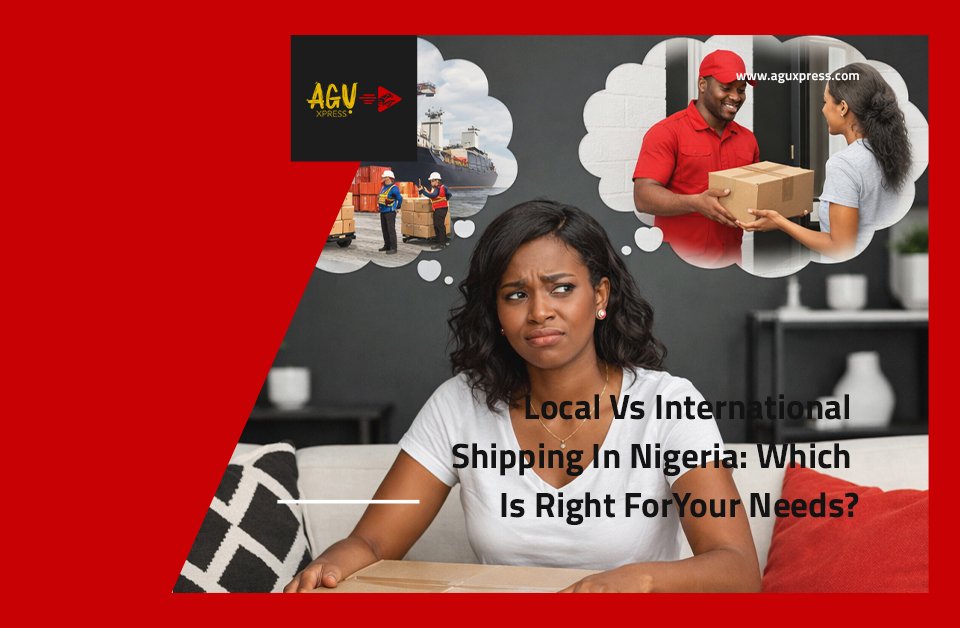
Logistics plays a critical role in Nigeria’s commercial and economic activities. From small online vendors and growing SMEs to established corporations and individual consumers, the movement of goods has become an essential part of everyday life. With the rapid growth of e-commerce, social media businesses, and cross-border trade, more Nigerians are increasingly faced with an important logistics decision: choosing between local and international shipping.
While both options serve distinct purposes, they differ significantly in cost, delivery timelines, documentation, risks, and operational complexity. Selecting the wrong shipping option can result in unnecessary expenses, delayed deliveries, damaged goods, and dissatisfied customers. As a result, understanding the differences between local and international shipping is crucial for making informed logistics decisions.
This article provides a comprehensive comparison of local and international shipping in Nigeria, outlining how each works, their advantages and limitations, and how to determine the best option based on your specific shipping needs.
What Is Local Shipping in Nigeria?
Local shipping refers to the transportation of goods within Nigeria’s borders. This includes deliveries within the same city, between cities, and across different states. Local shipping services are commonly used by e-commerce businesses, retailers, corporate organizations, and individuals sending parcels such as documents, clothing, electronics, food items, and household goods.
Local logistics companies rely primarily on road transportation, using dispatch riders, delivery vans, and trucks to complete shipments. Because the delivery process remains within one country, local shipping is generally faster, less complex, and more affordable.
For businesses serving customers across Nigeria, local shipping provides an efficient way to fulfill orders while maintaining control over delivery timelines and customer experience.
What Is International Shipping?
International shipping involves the movement of goods between Nigeria and other countries. This can include exporting goods from Nigeria to foreign markets or importing products into Nigeria from abroad.
International shipping is commonly used by importers, exporters, diaspora businesses, multinational companies, and individuals purchasing goods from overseas suppliers.
Unlike local shipping, international shipping involves additional processes such as customs clearance, regulatory compliance, import and export documentation, duties, and taxes. Goods are typically transported by air or sea, depending on urgency, cost considerations, and cargo size.
Although international shipping offers access to global markets and products not readily available locally, it requires more planning, higher costs, and longer delivery timelines.
Key Differences Between Local and International Shipping
The most noticeable difference between local and international shipping lies in complexity. Local shipping is straightforward, with minimal documentation and fewer regulatory requirements. International shipping, however, involves multiple authorities, border controls, and compliance obligations.
Local shipping offers faster delivery times and easier communication with logistics providers. International shipping, while slower, enables businesses to expand beyond Nigeria and participate in global trade.
Understanding these differences allows individuals and businesses to align their logistics choices with their operational goals.
Cost Comparison: Local vs International Shipping
Cost is a major factor when choosing a shipping option. Local shipping in Nigeria is generally more affordable because it does not involve customs duties, import taxes, or international handling fees. Pricing is usually determined by distance, parcel size, and delivery speed.
International shipping costs are significantly higher due to freight charges, customs duties, insurance, documentation fees, and foreign exchange considerations. Costs can also fluctuate based on global economic conditions and exchange rates.
For small businesses and individuals with limited budgets, local shipping is often the most practical option. International shipping requires careful financial planning to avoid unexpected expenses.
Delivery Speed and Timelines
Local shipping offers shorter delivery timelines, with options such as same-day, next-day, or standard delivery within a few days. This speed is especially beneficial for businesses that rely on quick order fulfillment and customer satisfaction.
International shipping typically takes longer due to distance, customs processing, and regulatory inspections. Air freight may take several days, while sea freight can take weeks. Delays may occur if documentation is incomplete or inspections are required.
When time sensitivity is a priority, local shipping is usually the better choice.
Risks and Challenges Associated with Each Option
Local shipping risks may include traffic congestion, poor road conditions, and occasional mishandling of parcels. However, these risks can be minimized by working with a reliable logistics company and using proper packaging.
International shipping presents higher risks due to extended transit periods, multiple handling points, customs delays, and regulatory challenges. Shipping insurance is strongly recommended for international shipments to protect against loss or damage.
Understanding these risks helps shippers take proactive measures to protect their goods.
Documentation and Regulatory Requirements
Local shipping requires minimal documentation, usually limited to sender and receiver details. This simplicity makes it accessible and convenient for everyday use.
International shipping requires extensive documentation, including commercial invoices, packing lists, customs declarations, and sometimes permits. Errors in documentation can result in delays, penalties, or seizure of goods.
Businesses involved in international trade must either develop expertise in compliance or work with logistics partners that provide professional guidance.
Which Shipping Option Is Best for Businesses?
Businesses operating within Nigeria generally benefit more from local shipping due to its affordability, speed, and ease of coordination. It supports efficient order fulfillment and improves customer satisfaction.
International shipping is ideal for businesses looking to expand into foreign markets or source products globally. However, it requires proper planning, compliance management, and reliable logistics support.
Many growing businesses adopt a hybrid approach, using local shipping for domestic operations and international shipping for strategic expansion.
Which Option Is Best for Individuals?
For individuals sending parcels within Nigeria, local shipping is typically the most efficient and cost-effective option. It is suitable for documents, gifts, and personal items.
International shipping is appropriate for individuals sending goods abroad, receiving overseas purchases, or relocating items. In such cases, understanding customs requirements and insurance options is essential.
Final Thoughts
Both local and international shipping play important roles in Nigeria’s logistics ecosystem. Local shipping offers speed, affordability, and simplicity, making it ideal for domestic deliveries. International shipping provides access to global markets but comes with higher costs and operational complexity.
Choosing the right option depends on your destination, budget, delivery timeline, and risk tolerance. With the right logistics partner, both shipping options can be managed efficiently and securely.
From Local Deliveries to International Shipping – We’ve Got You Covered
Whether you require efficient local delivery within Nigeria or professional support for international shipments, AguXpress provides reliable logistics solutions tailored to your needs. Our services prioritize security, transparency, and customer satisfaction.
👉 Reach out to AguXpress today for dependable local and international shipping services you can trust.