
From Pickup to Delivery: Understanding the Full Logistics Process in Nigeria
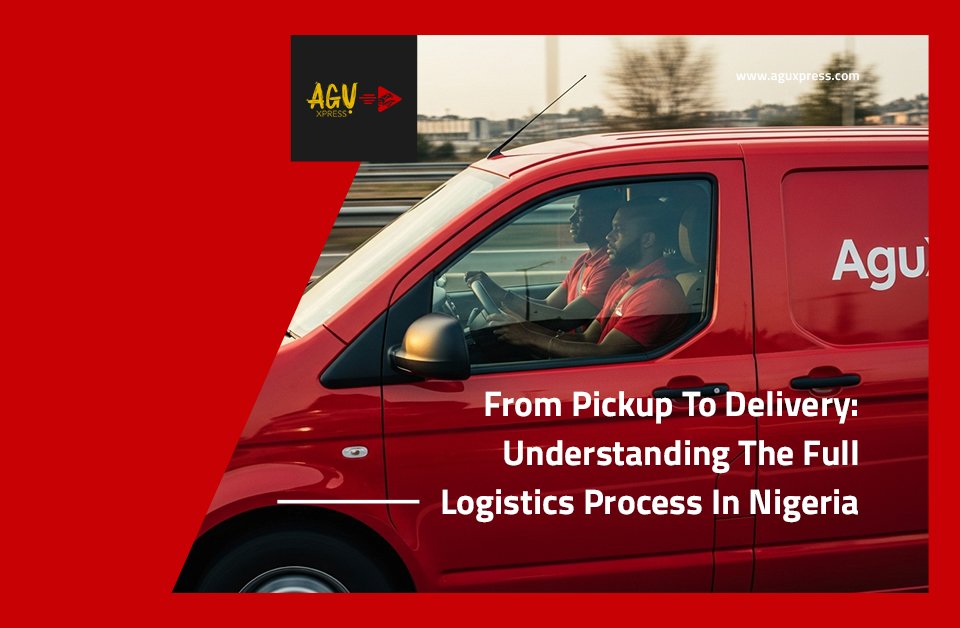
Logistics plays a vital role in Nigeria’s economy, connecting businesses to customers and enabling the smooth movement of goods across cities, states, and international borders. From small online vendors and growing SMEs to large corporations and individual senders, logistics services are essential for daily operations and commercial success.
However, many customers use logistics services without fully understanding what happens between pickup and final delivery. This lack of understanding often leads to unrealistic expectations, confusion during delays, and mistrust when issues arise. In reality, logistics is a structured process involving multiple stages, coordination, and careful handling to ensure goods move safely and efficiently.
This article provides a clear breakdown of the full logistics process in Nigeria from the moment a parcel is picked up to when it is delivered to the recipient. Understanding this process helps businesses and individuals make better shipping decisions, communicate more effectively with logistics providers, and appreciate the value of professional logistics services.
1. Order Placement and Pickup Request
The logistics process begins when a customer places a delivery request. This can be done through phone calls, WhatsApp, websites, mobile apps, or in-person visits, depending on the logistics company. At this stage, the customer provides key details such as pickup location, delivery address, parcel description, size, weight, and delivery timeline.
Accurate information is crucial at this stage. Incorrect addresses, incomplete contact details, or unclear parcel descriptions can cause delays later in the process. A professional logistics company will confirm all details before scheduling pickup to reduce errors.
Once the request is confirmed, a pickup time is scheduled. This marks the official start of the logistics journey.
2. Parcel Pickup and Initial Inspection
Pickup is the first physical interaction between the logistics provider and the parcel. A dispatch rider or delivery agent arrives at the pickup location to collect the item. At this point, the parcel is inspected to ensure it matches the description provided during booking.
The inspection may involve checking packaging quality, parcel condition, and suitability for transport. Fragile or high-value items may require additional protective packaging. Some logistics companies may take photos of the parcel at pickup for record-keeping and accountability.
Once the parcel is accepted, it is labeled and documented. This step ensures proper identification and tracking throughout the delivery process.
3. Documentation and Shipment Registration
After pickup, the parcel is officially registered in the logistics company’s system. This involves generating waybills, tracking numbers, or delivery receipts. Documentation helps logistics companies monitor shipments and resolve disputes if issues arise.
In Nigeria, local shipments usually require minimal documentation. However, for interstate or specialized deliveries, additional details may be recorded to ensure compliance and smooth movement.
Proper documentation improves transparency and allows customers to track their parcels from pickup to delivery.
4. Sorting and Consolidation
Once registered, parcels are taken to a sorting facility or hub. Sorting involves grouping parcels based on destination, delivery route, size, or service type. This step is essential for efficiency, especially for logistics companies handling high shipment volumes.
Parcels going to the same city or region are consolidated for transportation. Proper sorting reduces delivery time, minimizes handling errors, and improves operational efficiency.
Mistakes at this stage can lead to delays or misrouted parcels, which is why professional logistics companies invest in trained personnel and structured sorting systems.
5. Transportation and Line Haul Movement
Transportation is the core of the logistics process. Depending on distance and service type, parcels are moved using motorcycles, vans, trucks, or a combination of these. For long-distance deliveries, goods may be transported overnight or across multiple days.
In Nigeria, transportation faces challenges such as traffic congestion, road conditions, weather issues, and security concerns. Reliable logistics companies plan routes carefully and factor in these challenges to minimize delays.
During transportation, parcels are monitored to ensure they arrive safely at the next distribution point.
6. Warehousing and Temporary Storage
In some cases, parcels may require temporary storage before final delivery. Warehousing occurs when shipments arrive early, miss delivery windows, or await further routing.
A professional logistics company provides secure storage facilities with controlled access. Proper warehousing prevents theft, damage, and loss. Fragile and sensitive items are handled with extra care during storage.
Warehousing plays a critical role in maintaining delivery schedules and managing large shipment volumes.
7. Last-Mile Delivery Preparation
Last-mile delivery refers to the final stage of the logistics process moving the parcel from a local hub to the recipient. This stage requires careful coordination, accurate addresses, and effective communication with recipients.
Before dispatching parcels for last-mile delivery, logistics teams confirm delivery details and assign dispatch riders or drivers. Customers may receive notifications or calls to confirm availability.
Last-mile delivery is often the most challenging part of logistics in Nigeria due to traffic, inaccessible roads, and recipient availability.
8. Final Delivery and Proof of Delivery
Final delivery occurs when the parcel reaches the recipient. The delivery agent confirms the recipient’s identity and hands over the parcel. In many cases, proof of delivery is recorded through signatures, photos, or digital confirmation.
This step marks the completion of the logistics process. Proof of delivery protects both the customer and the logistics company by confirming successful delivery.
Professional logistics companies ensure delivery agents are courteous, punctual, and accountable.
9. Customer Support and Issue Resolution
Even with careful planning, issues may arise during the logistics process. These can include delays, damaged items, or delivery failures. A reliable logistics company provides responsive customer support to address such issues.
Customer support teams investigate complaints, provide updates, and guide customers through resolution processes. Effective communication during this stage helps maintain trust and customer satisfaction.
Strong post-delivery support distinguishes professional logistics companies from unreliable ones.
10. Feedback, Reporting, and Process Improvement
The logistics process does not end with delivery. Feedback from customers helps logistics companies identify areas for improvement. Reports on delivery times, customer complaints, and operational performance are analyzed to enhance service quality.
Continuous improvement ensures better efficiency, reduced errors, and improved customer experience over time.
Bringing The Logistics Process Together
The logistics process in Nigeria involves much more than simply moving parcels from one location to another. From order placement and pickup to sorting, transportation, warehousing, and final delivery, each stage plays a critical role in ensuring successful shipments.
Understanding this process helps buyers and sellers set realistic expectations, communicate effectively with logistics providers, and appreciate the value of professional logistics services. When handled properly, logistics becomes a powerful support system for businesses and individuals alike.
Experience Structured Logistics With AguXpress
At AguXpress, we manage every stage of the logistics process with professionalism, transparency, and care from pickup to final delivery. Our structured operations, responsive customer support, and commitment to parcel security ensure a smooth shipping experience every time.
Book your delivery today and experience structured logistics done right.