
Avoiding Shipping Scams: Smart Ways to Protect Your Packages and Purchases
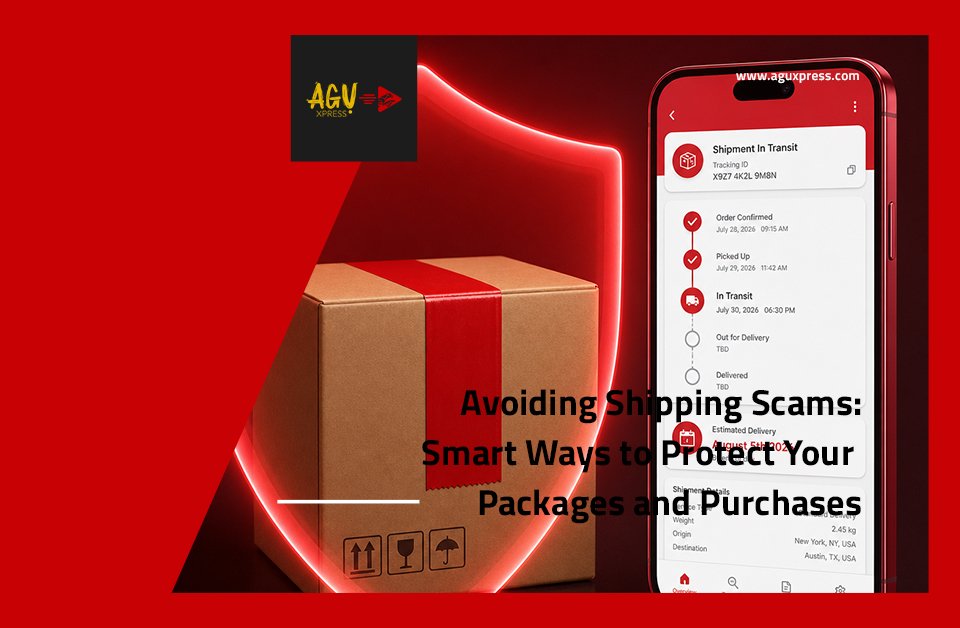
Have you ever paid for a product online only to receive the wrong item, a damaged package, or worse — nothing at all?
Unfortunately, shipping scams and unreliable delivery experiences have become increasingly common, especially as online shopping and international shipping continue to grow. Many individuals and businesses now rely heavily on delivery services in Nigeria and cross-border logistics to move products, documents, and valuable items. While this convenience has opened up new opportunities, it has also created room for fraud, fake dispatch services, poor handling practices, and dishonest sellers.
For businesses, shipping-related problems can damage customer trust and affect operations. For individuals, they can lead to financial loss, unnecessary stress, and frustration.
The good news is that many shipping scams and logistics problems can be avoided with the right knowledge and smarter shipping decisions.
In this article, we’ll explore some of the most common shipping scams, the risks associated with unreliable logistics, and practical ways to protect your packages, purchases, and business transactions.
Why Shipping Scams Are Becoming More Common
The rise of e-commerce logistics in Nigeria and global online shopping has changed how people buy and receive products. Today, customers can order items from international stores, social media vendors, online marketplaces, and independent businesses with just a few clicks.
However, this growing convenience has also increased exposure to:
- Fake dispatch companies
- Fraudulent online sellers
- Shipment diversion scams
- Poor package handling
- Delivery impersonation scams
- Fake tracking updates
- Stolen packages
- Uninsured deliveries
Many people searching for a “courier service near me” or affordable logistics services in Nigeria often focus only on price, ignoring critical factors such as reliability, package protection, insurance, and tracking transparency.
This creates opportunities for scammers and unreliable operators to take advantage of unsuspecting customers.
Common Shipping Scams You Should Watch Out For
Understanding how these scams work is the first step toward avoiding them.
1. Fake Logistics or Dispatch Companies
One common issue involves fake logistics pages or dispatch agents pretending to represent legitimate companies.
They may:
- Ask for upfront payment
- Provide fake tracking numbers
- Stop responding after payment
- Use copied branding from real businesses
In some cases, scammers even create fake customer support accounts on social media platforms.
How to Avoid It
- Verify company pages and websites carefully
- Confirm official contact information
- Check reviews and customer feedback
- Avoid making payments to suspicious personal accounts
- Use trusted logistics services in Nigeria with a proven reputation
2. Fake Online Sellers Using Delivery as an Excuse
Some scammers advertise products online at unrealistic prices and claim items will be shipped immediately after payment.
Once payment is made:
- The product never arrives
- Fake dispatch updates are sent
- The seller disappears completely
This is especially common with:
- Electronics
- Fashion items
- Phones and gadgets
- Imported goods
- Luxury products
How to Avoid It
- Avoid deals that look too good to be true
- Verify the seller’s legitimacy
- Request proof of previous deliveries
- Use escrow-supported transactions where possible
- Work with reliable logistics providers that offer tracking and verification
3. Package Switching or Tampering
In some situations, packages are intentionally tampered with during transit.
Customers may receive:
- Damaged goods
- Missing items
- Different products entirely
This problem often occurs when packages are poorly secured or handled by unreliable delivery operators.
How to Avoid It
- Use insured shipping for valuable items
- Properly package products before dispatch
- Request tamper-proof packaging where available
- Use trusted dispatch and delivery services in Nigeria
Package insurance for deliveries is especially important for fragile, expensive, or business-critical goods.
4. Fake Tracking Updates
Some unreliable delivery operators provide misleading tracking updates to create the impression that a package is moving normally.
Customers may see:
- False “in transit” notifications
- Repeated delays without explanation
- No actual visibility into shipment movement
This creates confusion and delays problem resolution.
How to Avoid It
Choose logistics companies that provide:
- Real-time tracking
- Transparent communication
- Responsive customer support
- Clear dispatch timelines
Reliable logistics should reduce uncertainty — not create more of it.
5. Delivery Impersonation Scams
Another growing scam involves fraudsters pretending to be dispatch riders or logistics representatives.
Victims may receive:
- Fake delivery calls
- Suspicious payment requests
- Requests for OTP codes or personal information
How to Avoid It
- Confirm rider identity before releasing payment
- Never share sensitive financial information
- Verify unusual delivery instructions directly with the logistics company
- Be cautious of unexpected calls requesting urgent transfers
The Role of Reliable Logistics in Preventing Shipping Problems
A dependable logistics partner plays a major role in reducing shipping risks.
Reliable dispatch and delivery services in Nigeria help protect customers through:
- Proper shipment handling
- Secure packaging processes
- Clear communication
- Real-time tracking
- Professional customer support
- Delivery accountability systems
For businesses, this becomes even more important because logistics directly affects customer satisfaction and retention.
When deliveries consistently arrive late, damaged, or untracked, customer trust suffers.
That is why many businesses today prioritize stress-free dispatch systems and dependable delivery operations as part of their customer experience strategy.
Why Insured Shipping Matters More Than Ever
Many people ignore shipping insurance until a problem occurs.
However, insured shipping can significantly reduce financial losses when:
- Packages are damaged
- Shipments are lost
- Goods are stolen
- Transit accidents occur
This is especially important for:
- High-value goods
- Electronics
- Business inventory
- International shipments
- Fragile products
International shipping from Nigeria and cross-border logistics often involve multiple transit points, customs handling, and third-party carriers. This increases the risk exposure of packages.
Insurance provides an additional layer of protection and peace of mind.
How Businesses Can Protect Themselves From Shipping Fraud
Businesses handling frequent deliveries should take additional precautions.
Implement Shipment Verification Processes
Before dispatch:
- Confirm customer details
- Verify delivery addresses
- Document package condition
- Use tracking systems
Work With Professional Logistics Partners
Choosing cheap but unreliable delivery providers often leads to:
- Delays
- Customer complaints
- Refund requests
- Damaged reputation
Reliable logistics may cost slightly more initially, but they reduce long-term operational problems.
Use Proper Packaging Standards
Weak packaging increases the likelihood of:
- Damage
- Theft
- Product tampering
Businesses should use:
- Protective materials
- Secure seals
- Clearly labeled shipments
- Durable packaging methods
Prioritize Communication
One major issue in how logistics works in Nigeria is poor communication during delivery delays.
Customers appreciate:
- Clear updates
- Honest timelines
- Responsive support
- Proactive communication
Good communication alone can significantly reduce frustration during unavoidable delays.
Tips for Individuals Sending or Receiving Packages
Even personal shipments require caution.
Before using any delivery service:
- Research the company
- Read customer reviews
- Verify contact information
- Confirm tracking availability
- Ask about package insurance
- Understand delivery timelines
For urgent deliveries, same-day delivery services may be useful, but reliability should still come before speed.
If you frequently move packages, using pickup and delivery services from a trusted logistics provider can simplify the process and reduce unnecessary risks.
The Future of Safer Logistics in Nigeria
The logistics industry in Nigeria continues to evolve rapidly.
With increasing e-commerce activity, businesses and consumers are demanding:
- Better delivery experiences
- Faster dispatch systems
- Transparent tracking
- Secure transactions
- Improved customer service
As competition grows, logistics companies that prioritize professionalism, accountability, and customer trust will continue to stand out.
Technology is also improving shipment visibility through:
- Real-time tracking systems
- Automated notifications
- Digital proof of delivery
- Smarter route management
These improvements are helping reduce some traditional logistics challenges in Nigeria while improving customer confidence.
Final Thoughts
Shipping scams and unreliable logistics experiences can affect both individuals and businesses in serious ways. From fake sellers and package tampering to delayed deliveries and poor communication, the risks associated with shipping are very real.
However, many of these problems can be avoided by making smarter logistics decisions, verifying who you work with, using insured shipping, and prioritizing reliable delivery partners.
Whether you are moving personal packages, business inventory, imported products, or valuable goods, choosing the right logistics support can make the entire process safer, smoother, and less stressful.
At AguXpress, we are committed to helping individuals and businesses enjoy stress-free dispatch, reliable logistics support, and safer delivery experiences.
If you’re looking for dependable delivery in Nigeria, professional pickup and delivery services, or support for international shipping, our team is here to help.
📩 Contact AguXpress today for reliable and secure logistics solutions tailored to your delivery needs.