
A Beginner’s Guide to Shipping Packages Within and Outside Nigeria
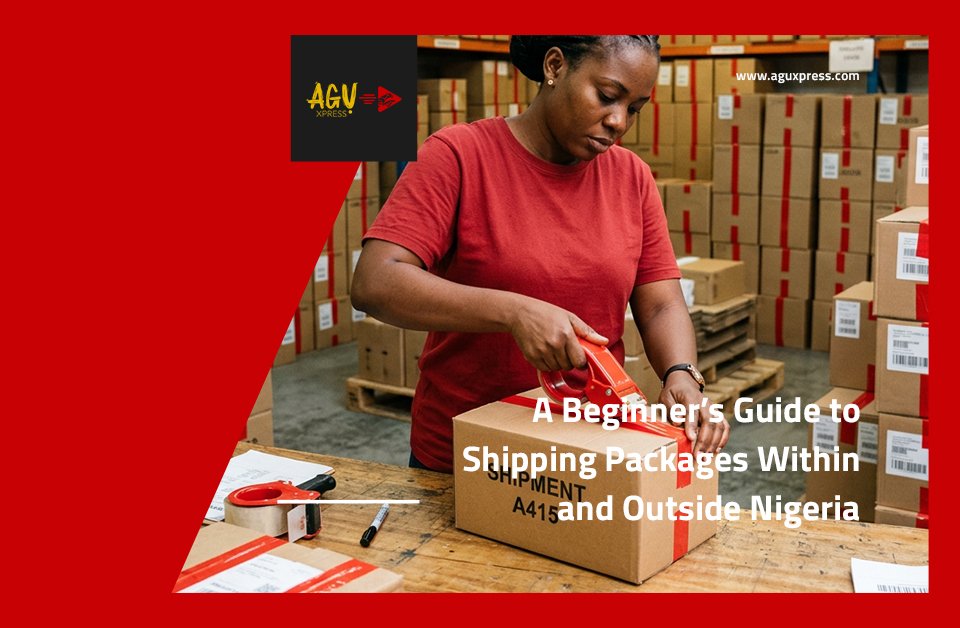
Shipping packages has become an essential part of everyday life in Nigeria. From small online vendors and growing businesses to individuals sending personal items, the need for reliable shipping services continues to increase. The rise of e-commerce platforms, social media marketplaces, and international trade has made it easier than ever to send goods both locally and globally.
However, for many people who are new to shipping, the process can seem confusing. Questions about packaging, costs, delivery timelines, documentation, and logistics providers often arise. Without the right information, beginners may encounter delays, damaged parcels, or unexpected charges.
Understanding the basic principles of shipping packages can help individuals and businesses avoid common mistakes and ensure that goods reach their destination safely and efficiently. Whether you are shipping products to customers within Nigeria or sending items abroad, having a clear understanding of the process is essential.
This beginner’s guide explains everything you need to know about shipping packages within and outside Nigeria, including how shipping works, the key steps involved, and practical tips for a smooth shipping experience.
Understanding Local Shipping Within Nigeria
Local shipping refers to the transportation of goods within the country’s borders. This includes deliveries within the same city, between cities, or across different states. Local shipping services are commonly used by businesses delivering products to customers and individuals sending parcels such as documents, clothing, electronics, or gifts.
In Nigeria, most local deliveries are carried out using dispatch riders, delivery vans, and trucks. Logistics companies coordinate pickup, sorting, transportation, and final delivery. Because shipments remain within the country, the process is generally faster and more straightforward than international shipping.
Local shipping is ideal for businesses that sell to customers across Nigeria. It allows them to fulfill orders quickly, maintain customer satisfaction, and manage delivery costs more effectively. For individuals, local shipping provides a convenient way to send parcels to friends, family members, or business partners in other locations.
Understanding International Shipping from Nigeria
International shipping involves sending goods from Nigeria to another country or receiving items from abroad. This type of shipping is commonly used by exporters, importers, businesses sourcing products internationally, and individuals sending parcels to friends or family overseas.
Unlike local shipping, international shipping requires additional procedures. Parcels must pass through customs authorities, which inspect shipments and ensure compliance with import and export regulations. Documentation such as commercial invoices, packing lists, and customs declarations is often required.
International shipments are typically transported by air or sea. Air freight is faster but more expensive, while sea freight is more cost-effective for large shipments but takes longer. Because of these additional steps and longer distances, international shipping requires more planning and attention to detail.
Preparing Your Package for Shipping
Proper packaging is one of the most important steps in the shipping process. Poor packaging can result in damaged items, lost goods, or rejected shipments. Before handing over your parcel to a logistics provider, it is important to ensure that it is well protected.
Start by using strong packaging materials such as durable boxes, padded envelopes, and protective wrapping. Fragile items should be cushioned with materials like bubble wrap, foam, or packing paper. Ensure the package is sealed securely to prevent accidental opening during transit.
Labeling is also essential. Clearly write the recipient’s name, phone number, and delivery address. Including your own contact details as the sender helps logistics companies resolve issues if the parcel cannot be delivered.
Proper packaging not only protects your goods but also helps logistics providers handle parcels efficiently.
Understanding Shipping Costs
Shipping costs vary depending on several factors, including the size and weight of the parcel, the distance between pickup and delivery locations, and the type of shipping service selected. Local deliveries within the same city are usually more affordable than interstate shipments.
For international shipping, costs may include freight charges, customs duties, insurance fees, and taxes. The cost can also be influenced by exchange rates and international logistics regulations.
Beginners should always request a shipping quote from their logistics provider before sending a parcel. Understanding the cost breakdown helps avoid unexpected expenses and allows better financial planning.
Delivery Timelines and Expectations
Delivery time is another important factor to consider when shipping packages. Local deliveries in Nigeria can take anywhere from a few hours to several days, depending on the distance and the logistics company’s service level.
International shipments take longer due to distance and customs processing. Air freight deliveries may take several days, while sea freight shipments can take several weeks.
Customers should always confirm estimated delivery timelines with their logistics provider. Planning shipments in advance helps avoid delays, especially when shipping time-sensitive items.
Choosing the Right Logistics Partner
Selecting a reliable logistics company is one of the most important decisions in the shipping process. A professional logistics provider ensures parcels are handled safely, delivered on time, and tracked throughout the journey.
When choosing a logistics partner, consider factors such as reputation, experience, customer reviews, service coverage, and customer support. A company that offers tracking services, clear communication, and responsive support can significantly improve the shipping experience.
Working with a trusted logistics company reduces risks such as lost parcels, delays, and poor handling of goods.
Common Mistakes Beginners Should Avoid
Beginners often make avoidable mistakes when shipping packages. One common mistake is providing incomplete or incorrect delivery information, which can lead to delays or failed deliveries.
Another mistake is inadequate packaging, especially when sending fragile items. Poor packaging increases the likelihood of damage during transit. Failing to understand shipping costs and delivery timelines can also lead to frustration and unexpected charges.
By taking time to prepare packages properly and working with reliable logistics providers, these mistakes can be avoided.
Final Thoughts
Shipping packages within and outside Nigeria does not have to be complicated. With the right knowledge and preparation, individuals and businesses can send parcels safely and efficiently. Understanding the differences between local and international shipping, preparing packages properly, and working with trusted logistics partners are key steps toward a successful shipping experience.
As Nigeria’s logistics industry continues to grow, access to reliable shipping services will remain essential for businesses and individuals alike. By following the guidelines in this beginner’s guide, shippers can navigate the logistics process with greater confidence and efficiency.
Ship Your Packages With AguXpress
Whether you are shipping packages within Nigeria or sending items internationally, AguXpress provides reliable logistics solutions designed to meet your needs. Our professional team ensures secure parcel handling, timely delivery, and responsive customer support throughout the shipping process.
Contact AguXpress for dependable shipping services you can trust.